Ford DSFL - Newsletter - 2026 Late Summer Edition
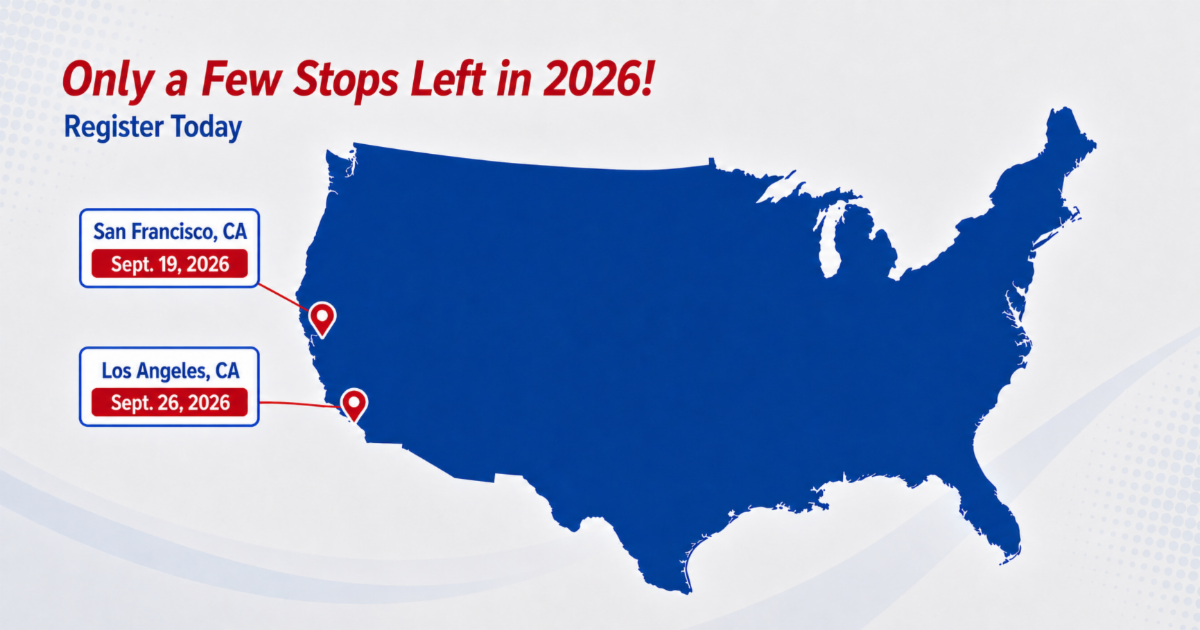
It’s been another busy year on the road for Ford Driving Skills for Life (DSFL), and we’re heading into the home stretch with just a few stops remaining on our 2026 tour.
Register Today:
San Francisco, CA: Sept. 19, 2026
Los Angeles, CA: Sept. 26, 2026
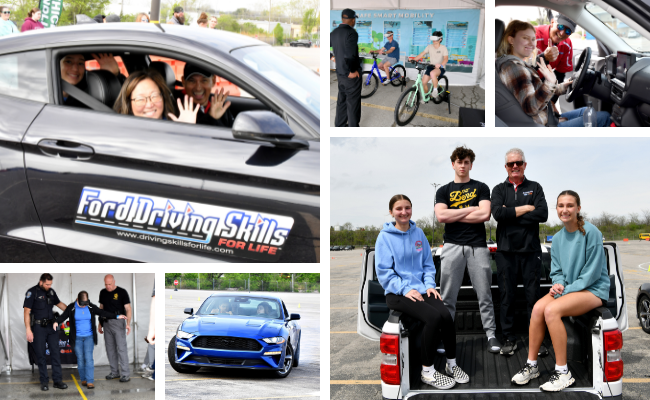
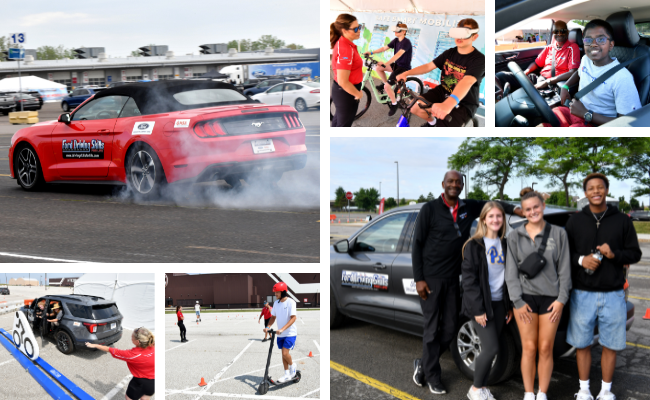
At every stop, teens get behind the wheel with professional driving instructors to practice skills that can help prepare them for situations they may encounter on the road. From vehicle handling and hazard recognition to speed and space management, the free program gives young drivers valuable experience in a controlled environment.
2026 HIGHLIGHTS: WHERE WE HAVE BEEN
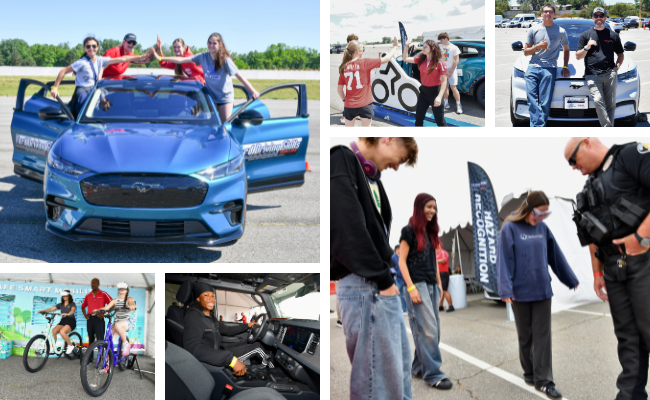
What a year it has been!
Since hitting the road this spring, Ford Driving Skills for Life has welcomed teens and parents at events across the country. Recent stops have included:
Cincinnati, OH
Thank you to our Ohio partners, including the Ford Sharonville Transmission Plant, for helping connect local teens and families with free, hands-on driver training.
Dearborn, MI
It’s always great to be back in Ford’s hometown, where teens had the opportunity to learn and practice critical driving skills behind the wheel at the Dearborn Proving Grounds.
Chicago, IL
Our stop at Manheim Chicago brought Ford DSFL to teens from across the region, with support from state and community partners who helped spread the word.
Buffalo, NY
Western New York teens joined us for another great weekend of behind-the-wheel learning and plenty of time in the driver’s seat.
A big thank you to our State Highway Safety Office partners, local organizations, volunteers and families who continue to make these events possible.
FORD'S SUSTAINABILITY HELPS DRIVE CALIFORNIA EVENTS
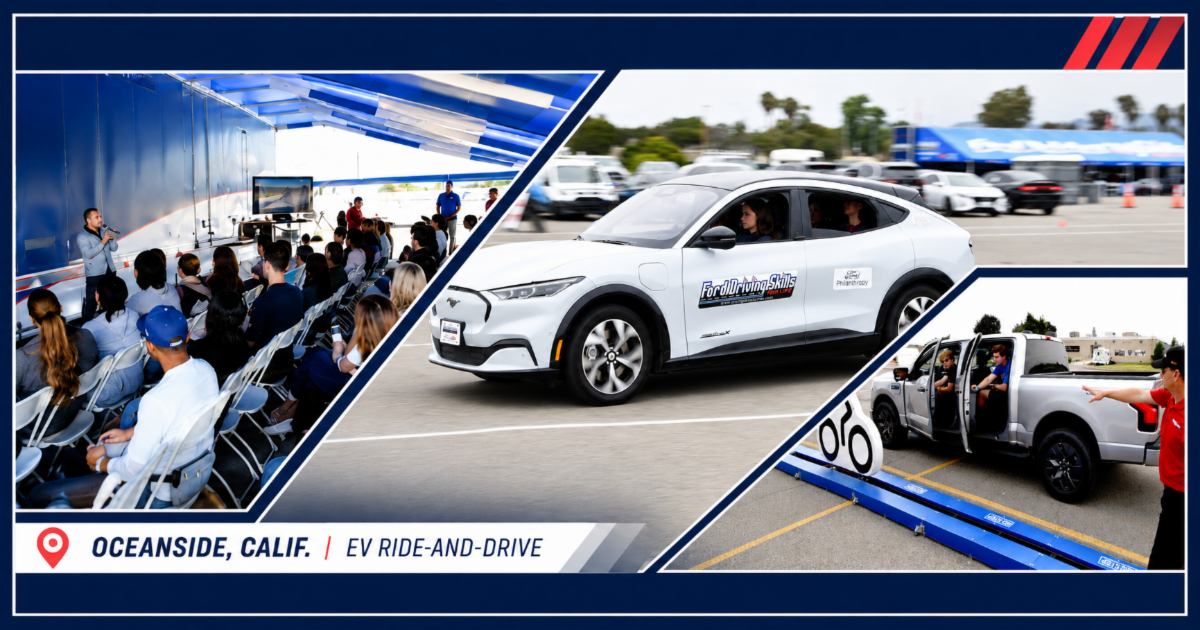
Ford Driving Skills for Life is soon heading west once again with support from Ford’s Sustainability team helping bring complimentary driver training opportunities to California teens. The partnership was on display during our recent Oceanside, Calif., event, where military teens and their families gained valuable behind-the-wheel experience while also getting a look at the changing world of transportation with electric vehicles at the center.
In addition to Ford DSFL’s core driver training exercises, the California events feature a special electric-vehicle ride-and-drive experience for parents/chaperones, giving participants an opportunity to experience electric vehicle safety technology firsthand and learn more about the unique characteristics of driving an EV.
The support from Ford Sustainability helps Ford DSFL combine two important conversations: preparing the next generation to be safer drivers while introducing young people and their families to emerging vehicle technologies.
"We’re proud to partner with GHSA to bring Ford Driving Skills For Life to California for these important events related to electric vehicle safety. Our goals are to ensure that underserved communities across California are able to benefit from this incredible training program, with a special focus on the unique elements of electric vehicles and modern safety technologies,” said Cynthia Williams, Ford’s Global Director of Vehicle Compliance. “Ford is also launching the MyFirstEV program in California, helping introduce first-time drivers and their families to the benefits of electric vehicles. The program reflects Ford’s commitment to making EV technology more accessible and building confidence in the transition to a more sustainable future.”
Following Oceanside, our Ford DSFL team will return to California with support from the California Office of Traffic Safety for two of the final stops of 2026 in the greater San Francisco and Los Angeles areas. Registration for both events is now live!
SPECK CHECK
Speed Matters
Ask almost any parent what worries them when their teenager starts driving and speed will probably be near the top of the list. There’s good reason for that.
According to the National Highway Traffic Safety Administration, speeding was a factor in 33% of passenger-vehicle teen drivers ages 15–18 involved in fatal crashes in 2024. For an inexperienced driver, higher speeds mean less time to recognize a hazard, make a decision and react. Speed also increases stopping distance and can make the consequences of a crash more severe.
Newer vehicle technologies can provide drivers with additional tools to help manage speed.
Ford’s available speed-sign recognition technology, for example, can identify posted speed limits and display that information to the driver. On appropriately equipped vehicles, Intelligent Adaptive Cruise Control can use recognized speed-limit information to adjust the vehicle’s set speed. It’s impressive technology but this is key: technology doesn’t replace good judgment.
Driver-assist features are exactly that: assistance. The person behind the wheel remains responsible for paying attention, recognizing changing road and weather conditions, and choosing a safe speed.
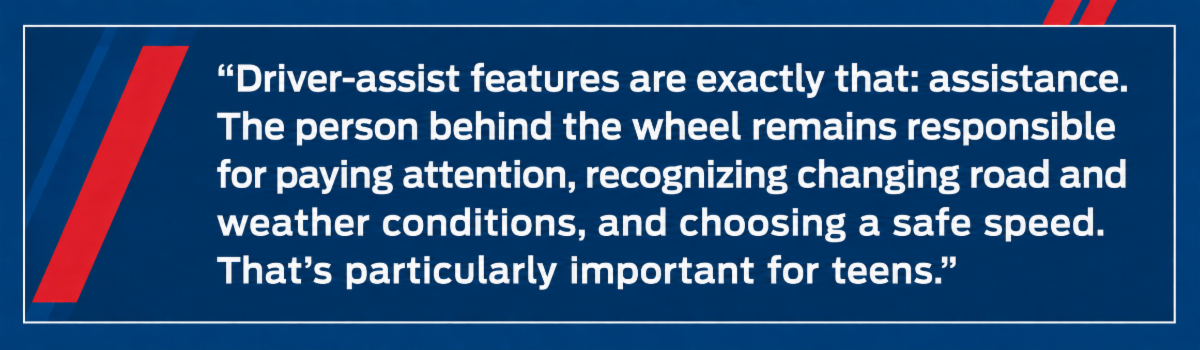
That’s particularly important for teens. A posted speed limit represents the maximum legal speed under good conditions, not necessarily the appropriate speed in rain, snow, heavy traffic or other challenging conditions.
Parents can reinforce that lesson by modeling good behavior themselves. Watch your speed. Leave adequate following distance. Slow down when conditions change. And talk with your teen about why a few extra miles per hour can make a big difference.
Technology continues to make vehicles smarter. Our job is to make sure we’re creating smarter drivers, too.

INSTRUCTOR SPOTLIGHT
Ariel Egger: From the Racetrack to Teaching the Next Generation
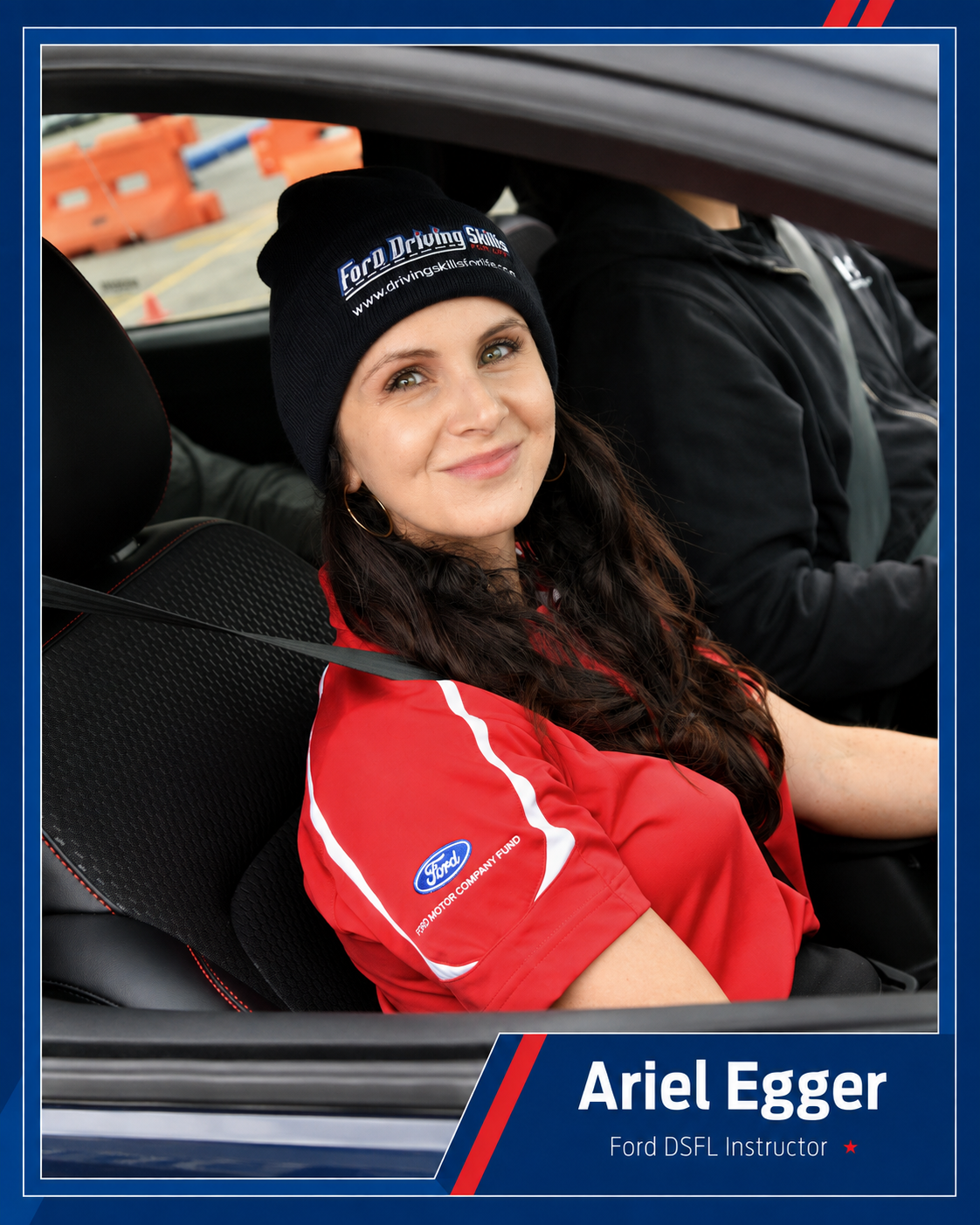
When Ariel Egger teaches a Ford Driving Skills for Life (DSFL) student how to maintain control of a vehicle, she brings a perspective few instructors can match: that of a professional race car driver.
Egger grew up racing sprint cars and moved away from home at just 16 to pursue racing full time. She went on to become a factory driver for Toyota, building a professional racing career while also working with sponsors and education-focused organizations, including the Society of Women Engineers. Today, she and her husband operate SIGRA Race Development in Oregon, where they help develop young drivers at the performance level.
That combination of racing and education made Ford DSFL a natural fit, and she has been working on the DSFL team since 2016. As a professional driver and DSFL instructor, Egger teaches across the program’s different modules, using lessons learned from controlling race cars at high speeds to help teens understand vehicle dynamics at much safer speeds.
One of the biggest issues she sees with inexperienced drivers is how they react when they panic. Teens may inadvertently hit the accelerator when a vehicle begins to slide or fail to apply enough brake pressure during an emergency. Ford DSFL gives them an opportunity to experience and correct those reactions in a controlled setting.
“You don’t know what you don't know,” Egger says. “Most drivers aren’t going to experience that until they’re in an accident.”
Egger encourages teens to become comfortable with the three fundamental controls of the vehicle — steering, braking and acceleration — so operating the car becomes more instinctive and they can focus their attention on traffic, signals and other drivers. Her advice for nervous new drivers is simple: practice.
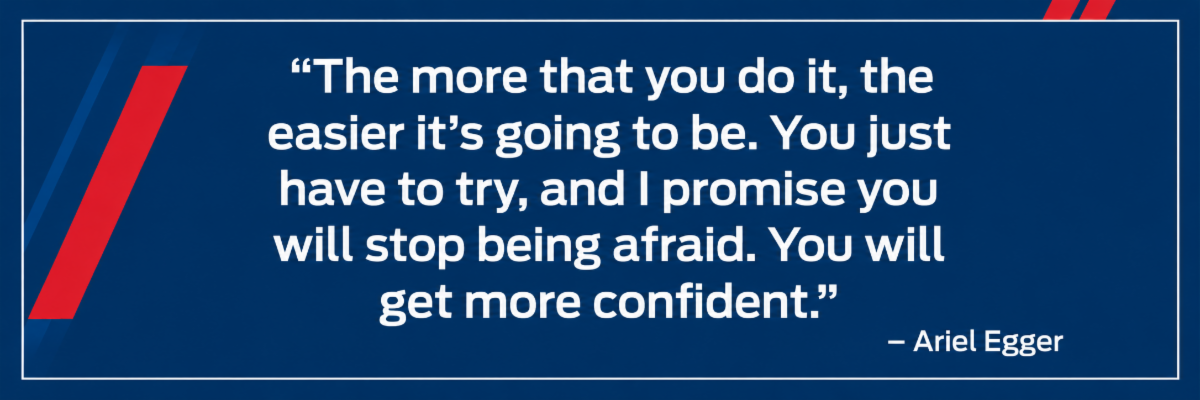
“The more that you do it, the easier it’s going to be,” she says. “You just have to try, and I promise you will stop being afraid. You will get more confident.”
For Egger, whether a young driver is preparing for the racetrack or the highway, experience builds the confidence and reactions that can make all the difference.
PUT THE RULES IN WRITING
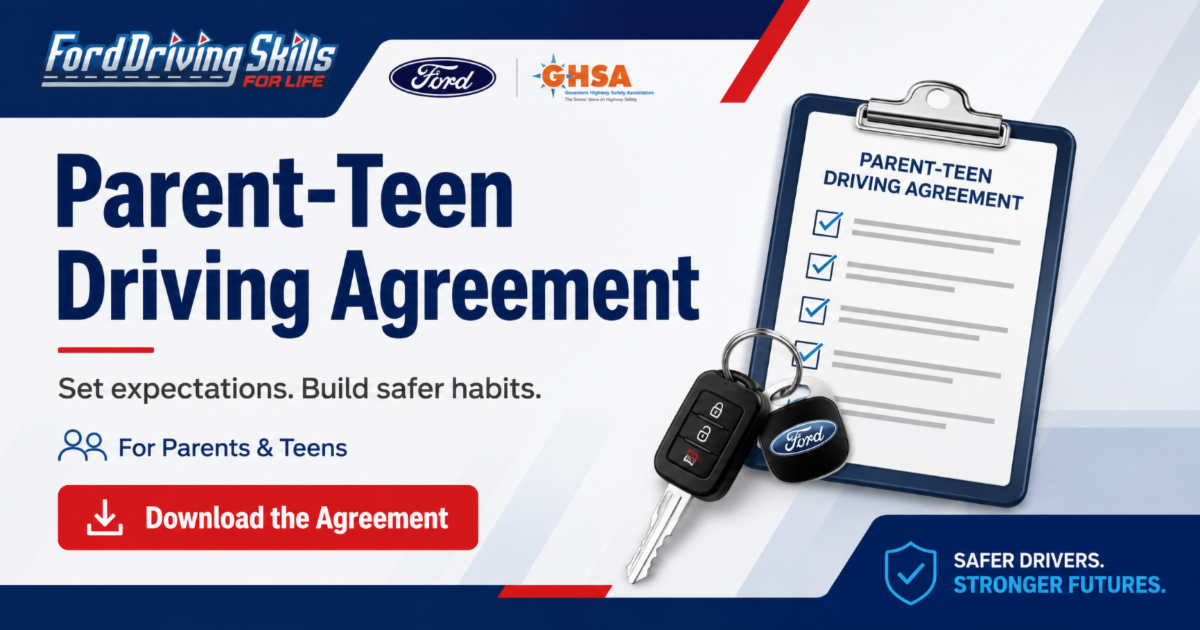
Download the Parent-Teen Driving Agreement
Handing your teen the keys is a major milestone, but it doesn’t mean parents should move to the passenger seat when it comes to setting expectations.
The Ford Driving Skills for Life Parent makes it easier for families to talk about safe driving and establish clear rules before a teen heads out on the road alone.
The agreement gives parents and teens an opportunity to discuss expectations around safe driving behaviors and agree on the responsibilities that come with the privilege of driving.
Why put it in writing? Because conversations about driving shouldn’t happen only after something goes wrong.
Use the agreement as a starting point for an ongoing conversation. Review it as your teen gains experience, earns additional driving privileges and encounters new situations behind the wheel.
Parents: Download the Parent-Teen Driving Agreement, review it together and make safe driving a family commitment.
DOWNLOAD TODAY!
ONE MORE THING
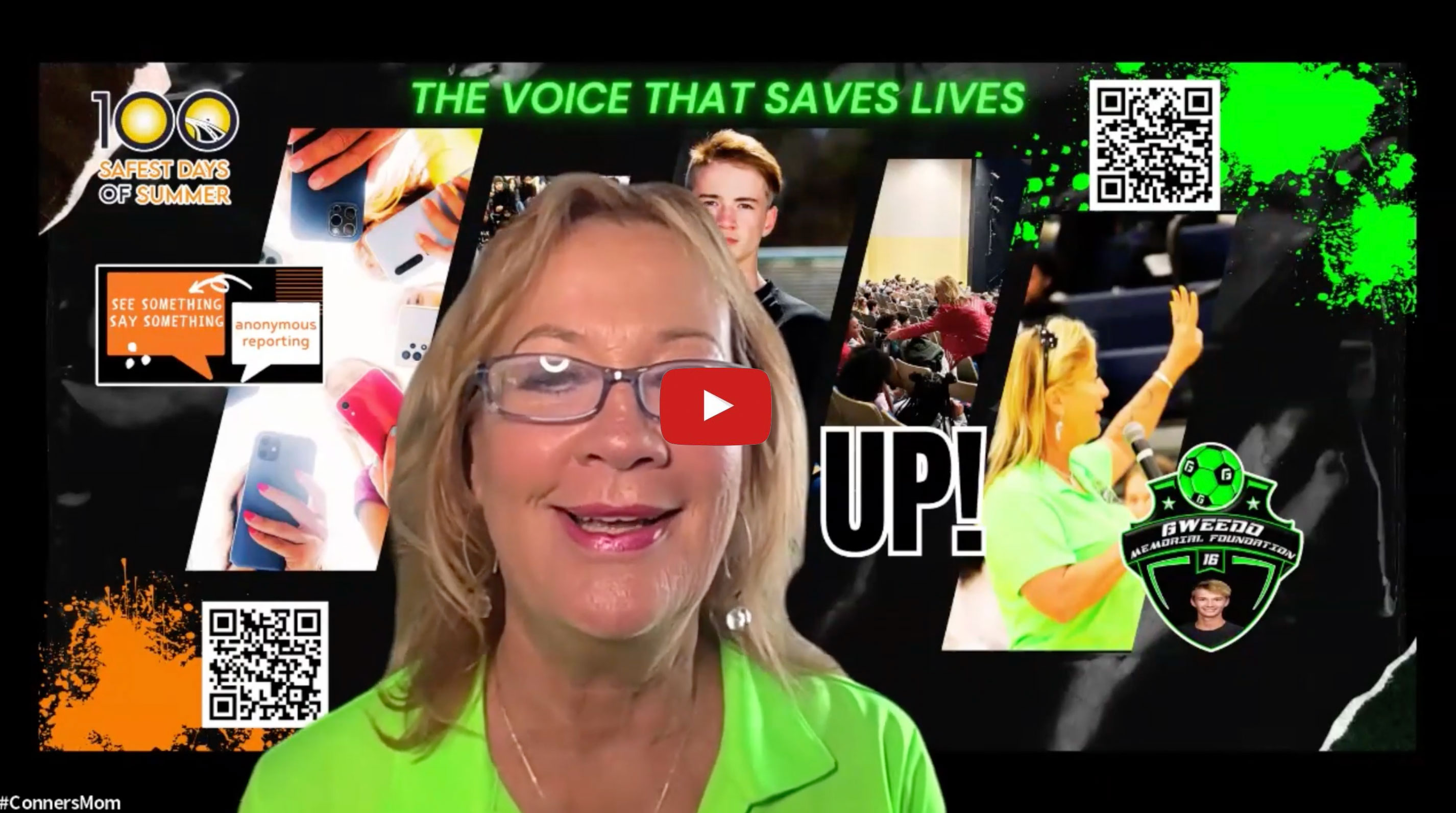
The 2026 tour may be winding down, but the mission continues every time a young driver gets behind the wheel. Please take a minute to listen to this special message from Tammy Guido McGee with the Gweedo Memorial Foundation. After losing her son, Conner (known as “Gweedo” to his friends and family), in a preventable crash, Tammy encourages teens to stay safe on the road.
Check Ford Driving Skills for Life for upcoming event information, teen driving tips and news about where we’re headed next.
DRIVE SMART. STAY FOCUSED. WE'LL SEE YOU ON THE ROAD
Ford Driving Skills for Life Mission
To serve as a critical step in the lifelong learning process of safe driving by providing new drivers advanced real world training, practical education opportunities and innovative programming that is fun and engaging.